Find Cheap Ammo Deals Now and Stock Up Before Prices Climb
Why settle for premium-priced cartridges when cheap ammo delivers dependable performance for routine target practice and plinking? This budget-friendly ammunition typically uses full metal jacket projectiles and standard powder charges, functioning reliably in most modern firearms while reducing recoil fatigue during extended sessions. By prioritizing bulk affordability over match-grade precision, it allows shooters to maximize trigger time and build fundamental marksmanship skills without sacrificing safe, consistent cycling. For range drills, zero-confirmation, or recreational shooting, cheap ammo offers a practical, cost-effective solution that keeps every round affordable and every visit to the range productive.
What Exactly Counts as Budget-Friendly Ammunition?
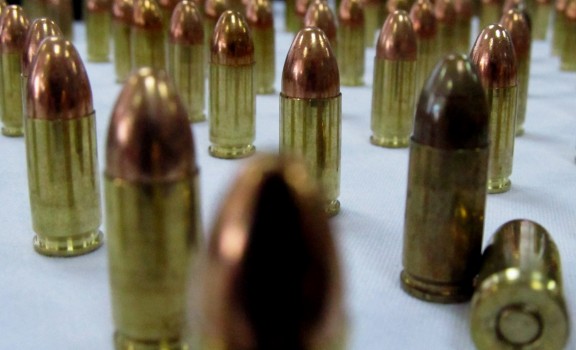
Budget-friendly ammunition isn’t just the lowest sticker price; it’s the lowest *cost per reliable round*. True cheap ammo means you’re getting functional, accurate-enough cartridges for target practice or plinking without sacrificing safety or causing malfunctions. Look for bulk-packed, full-metal-jacket (FMJ) loads from established brands like Federal, CCI, or Sellier & Bellot—typically 20-40% cheaper than defensive or match-grade rounds. The real test is cycling reliability in your specific firearm; if a round feeds, extracts, and hits a 4-inch zone at 25 yards, it qualifies. Steel-cased or aluminum-cased ammo often counts as budget-friendly because it cuts material costs, but verify your gun tolerates it. Always calculate price per 50 or 100 rounds, not per box, to catch deceptive packaging. What counts as “budget” shifts with your gun’s appetite—a finicky pistol may turn bargain ammo into a jamfest, making slightly pricier brass worth it. Ultimately, cheap ammo is any round that lets you train more for less, without turning your range day into a troubleshooting session.
Understanding the Difference Between Low-Cost and Low-Quality Rounds
Understanding the difference between low-cost and low-quality rounds hinges on separating budget-friendly ammunition from dangerously unreliable loads. A low-cost round can still feature consistent primer seating, uniform case necks, and predictable powder charges—just without premium branding or flashy packaging. Low-quality rounds, however, cut corners on case thickness, bullet concentricity, and crimp tension, leading to squibs, keyholing, or erratic velocity. Before you buy, inspect a few cartridges: shake them for loose powder, check bullet setback when pressed against a hard surface, and measure overall length. If a round fails basic visual and tactile checks, it’s not cheap—it’s a liability. QC failures are the defining trait of low-quality ammunition, not the price tag.
Question: How do I verify a low-cost round isn’t low-quality?
Answer: Pull a bullet from one .32 Win Special Ammo for Sale sample—if the powder charge looks consistent and the case wall is even, that’s a solid sign. Then test-fire five rounds for accuracy and function. Reliable cycling and tight groups confirm you’ve found true low-cost value, not a bargain that jams your firearm.
Common Calibers Where You’ll Find the Biggest Savings

The biggest savings in cheap ammo consistently appear in **high-volume common calibers** like 9mm, .223 Remington, and .22 LR, where massive production keeps prices razor-thin. A shooter can stockpile hundreds of rounds of 9mm for the cost of a few boxes of exotic hunting loads, making it the go-to for budget range time. .45 ACP and .308 Winchester also reward bargain hunters, though their per-round savings are less dramatic than the top three. Steel-cased 7.62x39mm often undercuts brass by nearly half, yet still cycles reliably in AK-pattern rifles. Focus your searching on these mainstream cartridges—obscure calibers rarely see deep discounts because demand stays low.
Stick to 9mm, .22 LR, .223, .308, and 7.62×39 for the deepest per-round cuts—cheap ammo lives where volume thrives.
Why Choose Affordable Rounds for Range Day and Training
You’re at the range, and the thrill of grouping shots fades fast when your wallet flinches with every trigger pull. Choosing affordable rounds for range day isn’t about cutting corners—it’s about buying the reps that build muscle memory. Cheap ammo lets you run drills until your draw feels instinctive, without guilt over burned cash. I’ve seen shooters burn through two hundred rounds of budget-friendly loads in an afternoon, and they left with tighter groups than the guy who shot fifty premium rounds. The savings mean you can practice failure drills, reloads, and transitions—the boring stuff that wins fights. Plus, you won’t baby your gear, so you learn real recoil management. Training is repetition, and affordable rounds make repetition sustainable. When match day comes, your hands know the job, not just your credit card.
How Saving Per Box Lets You Shoot More Often
When you cut the cost per box of ammunition, the immediate benefit is a lower barrier to each range session. Choosing affordable rounds means the same weekly budget stretches across two or three visits instead of one, which directly translates to more frequent trigger time. This repetition is what builds muscle memory, and cheap ammo for practice lets you stay sharp without rationing your shots. Instead of limiting yourself to a single magazine to conserve expensive stock, you can finish a full box and still have cash left for next week. Over a month, that increased cadence means you handle your firearm more, refine your draw, and maintain proficiency—all because a smaller per-box price encouraged you to shoot often, not just occasionally.
When Cheaper Loads Are Perfectly Fine for Practice Drills
For pure repetition drills—drawing, reloading, target transitions—cheaper loads are perfectly fine for practice drills because you’re training muscle memory, not sub-MOA precision. When your goal is burning through hundreds of reps, a budget round’s slightly looser groups won’t matter; you’re looking for consistent cycling and enough pop to feel the recoil. Save your match-grade stash for zeroing or competition. On a casual range day, those affordable boxes let you shoot twice as much without flinching at the total, and that volume is what actually builds smooth, automatic movements. Just check they function reliably in your firearm first, 6.5×55 Swedish Ammo for Sale then let the cheap stuff earn its keep.
What to Look For When Buying Discounted Cartridges
When scooping up cheap ammo, first check the cartridge’s headstamp and crimp—remanufactured or “pull-down” rounds often show inconsistent sealants, which can cause misfires. Next, inspect the bullet setback: if you push the round against a hard surface and the projectile sinks deeper into the case, skip that lot. Also, weigh a few random cartridges on a cheap scale; big deviations (over 1–2 grains) mean sloppy powder charges, hurting accuracy and pressure consistency. Look for corrosion or tarnishing on brass, especially near the primer pocket—discounted ammo may have sat in damp storage. Finally, ask the seller the lot number and manufacturing date; older stock isn’t automatically bad, but unknown provenance is a red flag. Always test a small sample (e.g., 20 rounds) for function and grouping before buying a bulk case. Q: Is it worth buying steel-cased discounted cartridges? A: Yes, for plinking, but check the lacquer coating for flaking—gummy residue can jam your chamber.
Checking for Reliable Brass, Seating, and Primer Quality on a Budget

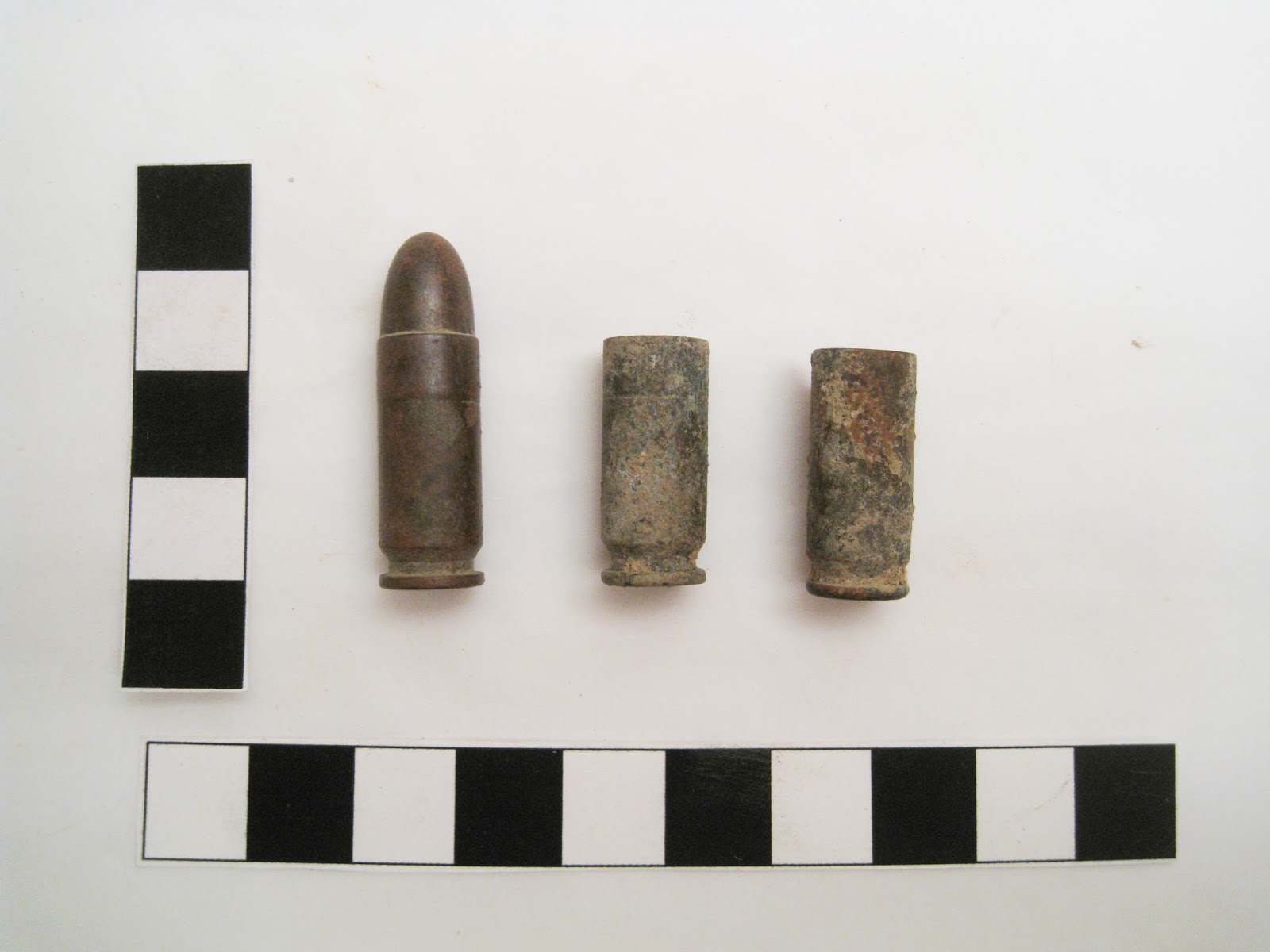
When stretching your dollar with cheap ammo, checking for reliable brass, seating, and primer quality matters most. Inspect the case mouth for splits or dents—these signal weak brass that won’t survive a reload. Press a thumbnail against the bullet’s crimp; if it moves easily, the seating is too loose for consistent chamber pressure. Look at primers: they should sit flush or slightly below the case head, never proud or cratered. A budget-friendly brass inspection catches these flaws before they jam your gun or cause a squib load.
- Shake the cartridge near your ear; a rattling bullet means poor seating depth.
- Scrape the 6.5x57R Ammo for Sale primer pocket with a toothpick—excess sealant or powder residue indicates sloppy manufacturing.
- Weigh a handful of cases on a cheap scale; >5-grain variance points to mixed or thin-walled brass.
Identifying the Best Bulk Packaging Options to Maximize Savings
When you’re hunting for cheap ammo, the real savings hide in the packaging, so think in terms of cases, not boxes. Buying a full case of 500 or 1,000 rounds almost always beats the per-carton price, but check if that case is loose-packed or pre-boxed—loose ammo in a cardboard sleeve is usually lighter to ship and costs less per round, while pre-boxed loads add weight and handling fees. Comparing the cost per round across bulk packaging sizes is your best move, since a 200-round value pack might cost more per bullet than a 500-round flat-rate case. Always verify the case’s seal and cushioning, because a flimsy tray can let primers shift and ruin your day. Stick with plain, no-frills packaging that protects the cartridge, and skip fancy retail boxes you’ll just toss anyway.
Practical Ways to Score the Lowest Prices Per Round
I’ve learned that the lowest prices per round rarely come from walking into a big-box store—they’re found by stacking bulk ammo purchases with rebate programs from manufacturers. Buying 500 or 1,000 rounds at once cuts the per-round cost by 10–20%, but the real win is pairing that with a credit card that offers cashback on sporting goods. I always check ammo deal aggregator sites daily, sorting by price-per-round after shipping, because free shipping thresholds can make a “cheap” price worthless. Signing up for email alerts from three or https://specialtysportsandsupplyltd.com/ four online dealers catches flash sales before they sell out. I also buy last season’s caliber—like .223 over 5.56—when ballistics match, shaving a few cents off each shot without sacrificing practice quality.
Using Ammo Seek and Price Comparison Tools Effectively
Ammo Seek aggregates live inventory from dozens of retailers, so start by .32 ACP Ammo for Sale filtering for in-stock rounds with free shipping thresholds—that alone kills hidden costs. Sort by “price per round” rather than box price, then cross-check the retailer’s ship fee via the tool’s shipping calculator before committing. Set alerts for your exact caliber and grain; price drops trigger instantly, letting you buy before demand spikes. Always verify the listed shipping time and hazmat fees on the vendor page, since Ammo Seek flags them inconsistently. Use the “compare 10+ stores” view to spot outliers, then buy only from top-rated sellers within 5% of the lowest rate.
Mastering Ammo Seek’s filters, alerts, and per-round sorting turns scattered listings into a lowest-price shortcut—pair that with shipping-fee checks, and you .338 Lapua Ammo for Sale consistently beat retail prices.
Tips on Buying in Bulk Without Overpaying for Shipping
To avoid letting freight erase your savings, always calculate the ammo cost per round including shipping before checkout—a $200 case with $40 freight often beats a $190 case with $60 shipping. Consolidate your entire order into one shipment, since most retailers charge per box or per weight tier, and split deliveries across two days will double your fees. Choose sellers offering flat-rate shipping or free freight thresholds, then deliberately pad your cart to hit that line with cheaper accessories or more of the same caliber. Even a supposedly “steep” shipping rate can be worth it if the per-round price drops enough to offset the charge. Skip expedited options entirely, as standard ground delivery rarely adds risk to sealed ammunition.
Always compare total delivered cost per round, consolidate purchases into one box, and target flat-rate or free-shipping thresholds to keep bulk ammo deals from sinking under freight fees.
Steps to Safely Test and Use Economical Loads in Your Firearm
To safely test cheap ammo, begin by verifying lot numbers and inspecting each round for loose primers or cracked cases—defects common in budget loads. Fire the first five rounds from a rested position with your support hand clear of the ejection port, noting any pressure signs like flattened primers or stuck cases. Chronograph a sample batch; economical loads often vary in velocity, which affects point of impact. If functioning is reliable and accuracy stays within your intended use, run a fouling Ammunition for Sale shot before a clean group to confirm consistency. For semiautos, test at least 50 rounds of the cheap ammo to expose weak recoil springs or feed ramp friction. Finally, store the bulk purchase in a dry container and re-test a few rounds monthly—humidity degrades inexpensive powder faster. Only rely on cheap ammo for practice, not defensive carry, and always finish with a bore check for unburnt residue.
How to Run a Quick Function Check on a New Budget Batch
Before trusting a new budget batch in a defensive or competition role, run a quick function check on a new budget batch with a controlled protocol. Load one round into the magazine, chamber it, and fire slowly, watching for slide lock-back or premature .35 Remington Ammo for Sale hold-open failures. Next, insert a fully loaded magazine and fire two rounds rapidly to verify feed reliability under spring pressure. Manually cycle a dummy round from the same box to confirm extractor grip and ejector timing. Finally, shoot five rounds from a supported rest, checking primer strikes and case ejection patterns for weak ignition or short-stroking.
- Test from a full magazine first — budget springs often fail under max compression.
- Hand-cycle one dummy round to isolate extractor issues before firing.
- Inspect fired cases for light primer hits or bulging rims — 6.8 SPC Ammo for Sale signs of chamber pressure variance.
Signs of Poor Performance to Watch For and How to Respond
When testing economical loads, watch for pressure signs indicating poor performance, such as flattened primers, ejector swipe marks, or difficult bolt lift—these demand immediate cessation of firing. Also monitor for inconsistent cycling: failure to feed, stovepipes, or weak ejection signal underpowered charges. Respond by chronographing a sample; if velocity spreads exceed 50 fps, stop using that lot. Accuracy degradation often appears before mechanical failures, so benchrest five-shot groups at 25 yards to isolate fliers. If keyholing occurs, the bullet is unstable—cease shooting and inspect barrel twist. Always record the box lot number and contact the manufacturer with your data, but do not fire more rounds until the issue is resolved.
Q: What is the first physical sign of poor performance to watch for?
A: Check spent casings for primer cratering or flowing—this indicates excessive pressure from an inconsistent powder charge, which can precede catastrophic failure. Stop immediately and verify your load data.
Simple Storage and Handling Tricks to Keep Cheap Rounds Reliable
Cheap ammo often suffers from crummy sealants and looser primer pockets, so your handling routine becomes the real safety net. I learned this the hard way after a brick of bargain 9mm started keyholing—moisture had crept past the case mouth. Keep those boxes in a cool, dry place, ideally with a desiccant pack tossed inside a sealed ammo can, not on a damp garage shelf. Before you load mags, give each round a quick visual and tactile inspection; spin it between your fingers and feel for a proud primer or a cracked neck that will fail under pressure. Rotate your stock, shooting the oldest first, and never oil the rounds themselves—lube migrates into the powder and kills ignition. Store them nose-down in original trays, and they’ll fire as consistently as premium stuff, most days.
Protecting Value Packs from Moisture and Temperature Swings
Value packs are most vulnerable to moisture-induced corrosion and thermal cycling, which degrade cheap rounds through oxidation and primer destabilization. Store unopened cardboard trays inside sealed polymer ammo cans with a silica gel desiccant, since factory packaging breathes and absorbs humidity. Keep these cans off concrete floors, where temperature swings cause condensation; place them on a wooden shelf or pallet instead. If you must store in a garage or attic, double-bag the entire value pack in heavy-duty ziplock bags before sealing the can, minimizing air exchange. Avoid direct sunlight and rapid thermal shifts—slow temperature changes prevent internal moisture from migrating onto brass and primers.
Seal value packs in airtight cans with desiccants, elevate them off cold surfaces, and buffer temperature swings to stop condensation from ruining cheap ammo.
Rotation Tips to Ensure Old Budget Stock Still Fires Cleanly
When you’re hoarding budget ammo, don’t just stack boxes 6.5x57mm Mauser Ammo for Sale and forget them. **Rotate your old budget stock** by using the „first in, first out” rule—dig to the back of your shelf and shoot the oldest boxes first, then rebuy to replace them. A simple trick: mark purchase dates on the flap with a sharpie so you know what’s aging. Every three months, flip your stored containers upside down to redistribute powder and primer compounds, preventing separation in cheap rounds. Also, pull a few rounds from the bottom of each box to check for corrosion or loose bullets, and shoot those immediately. Finally, keep a dedicated „old ammo” bin and grab from it at every range trip—this keeps your stash cycling rather than sitting.
Comments are closed, but trackbacks and pingbacks are open.